
Led concept development and executed all creative.
Rain Engineering needed more than booth graphics. They needed a clear, differentiated presence to standout in a large exhibit hall. Automate 2025 became the opportunity to introduce a bold question, reframing the conversation around outcomes, not software features.
Manufacturing software messaging tends to blend together. Rain Engineering needed to stand apart without adding more noise. The goal wasn’t just to attract attention. It was to reframe the conversation around performance and empowering teams. The message had to be punchy, provocative, and easy to enter at any point in the experience.
Operations leaders, plant managers, and technical decision-makers.
These buyers are practical and accountable for uptime, throughput, and delivery.
The booth stopped traffic and generated high-quality, performance-driven conversations that contributed to multiple post-show contracts.
Direct. Confident with a little swagger. Intentionally incomplete.
The follow-up — Our Customers Are. — reframed the question as proof rather than ego. It created tension, invited self-assessment, and opened the door to a conversation.
Digital transformation can feel abstract. Dashboards and diagrams dominate the category. Instead of leading with software interfaces, the motion content focused on people — operators, engineers, and decision-makers using technology to perform better. MES was shown as a tool in motion, supporting real teams doing real work.
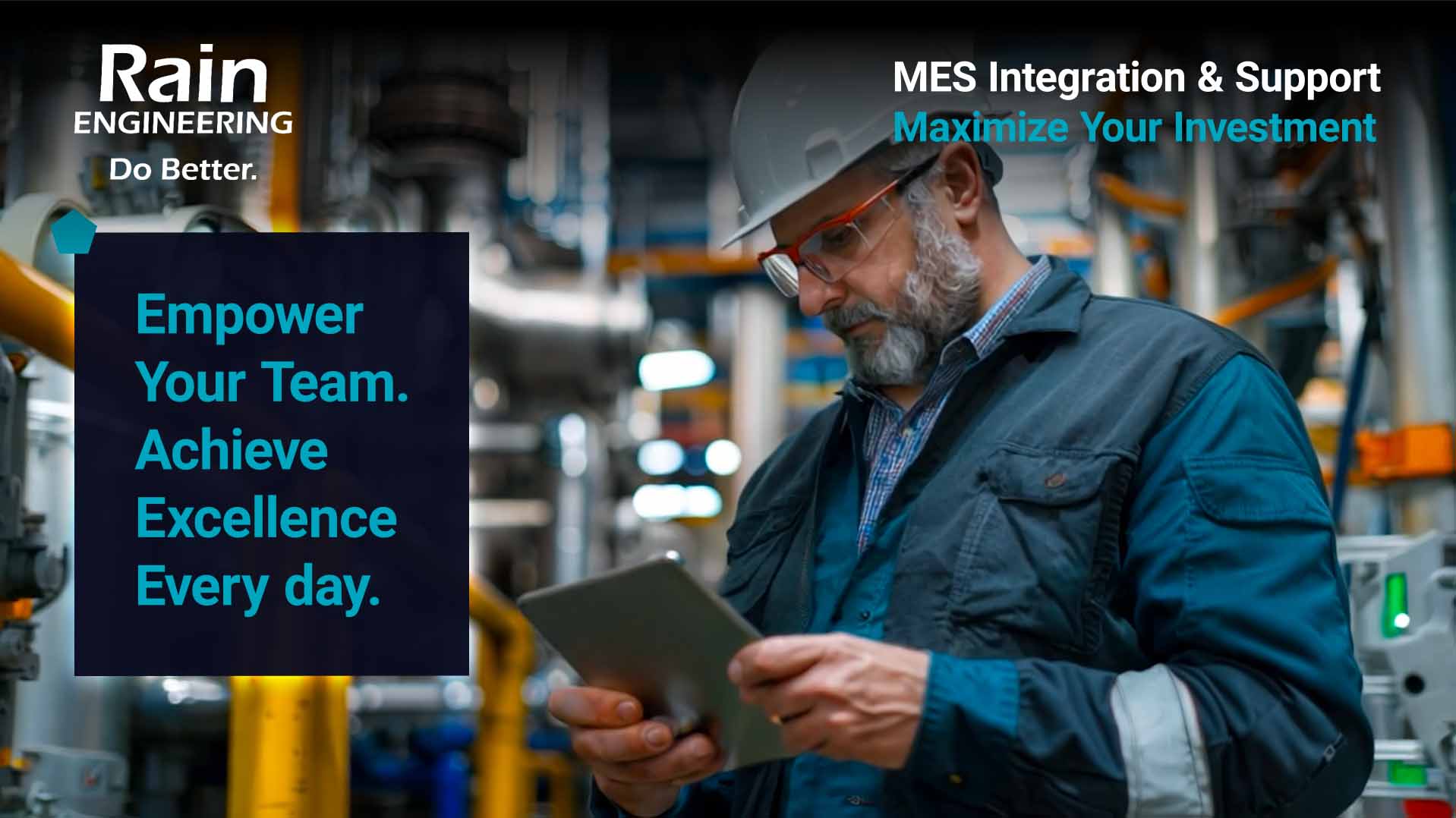
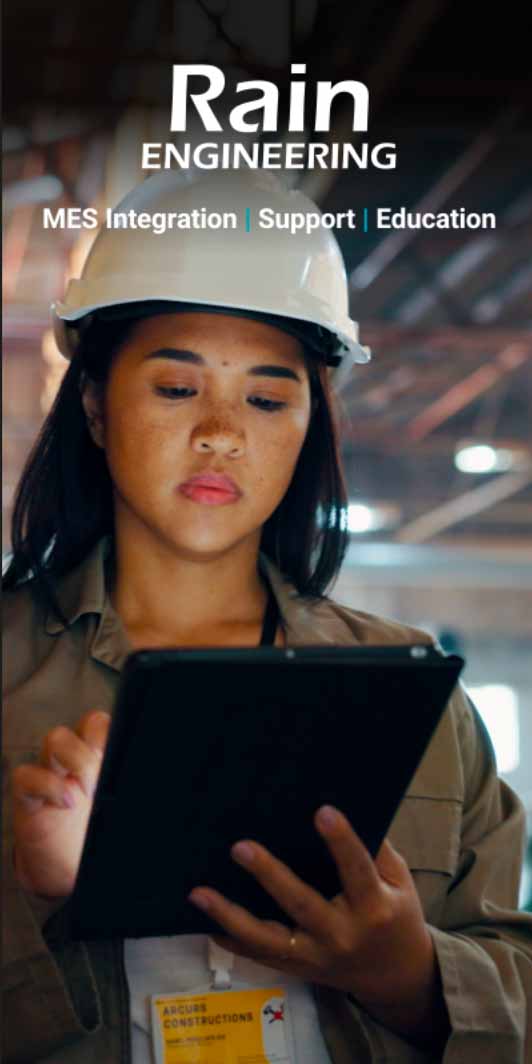
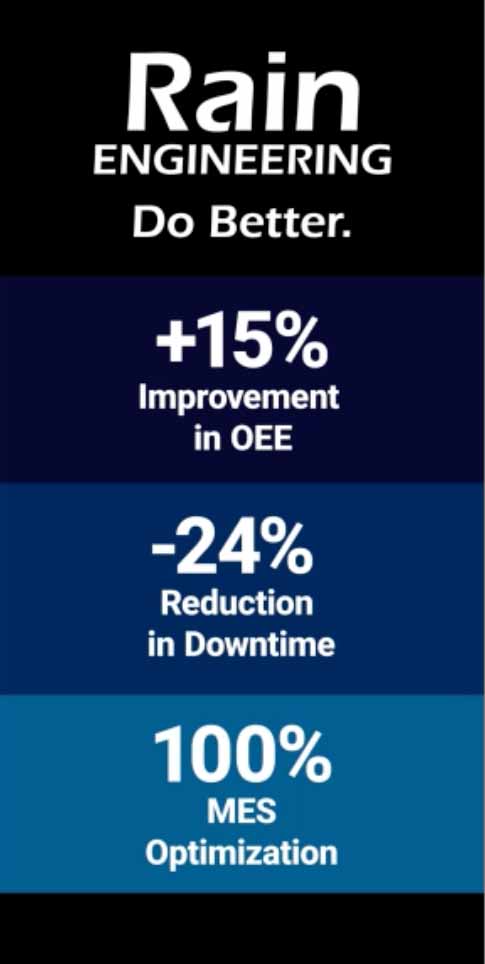
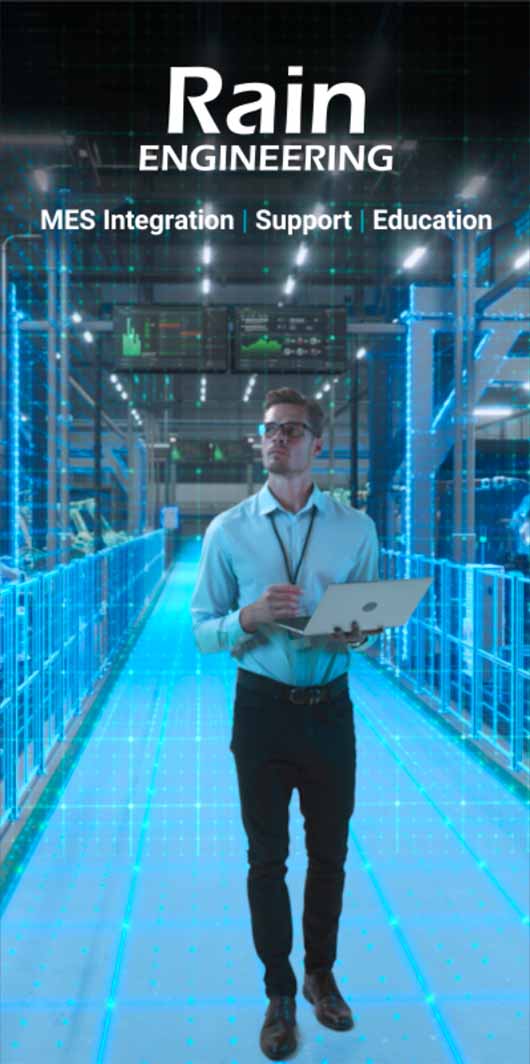
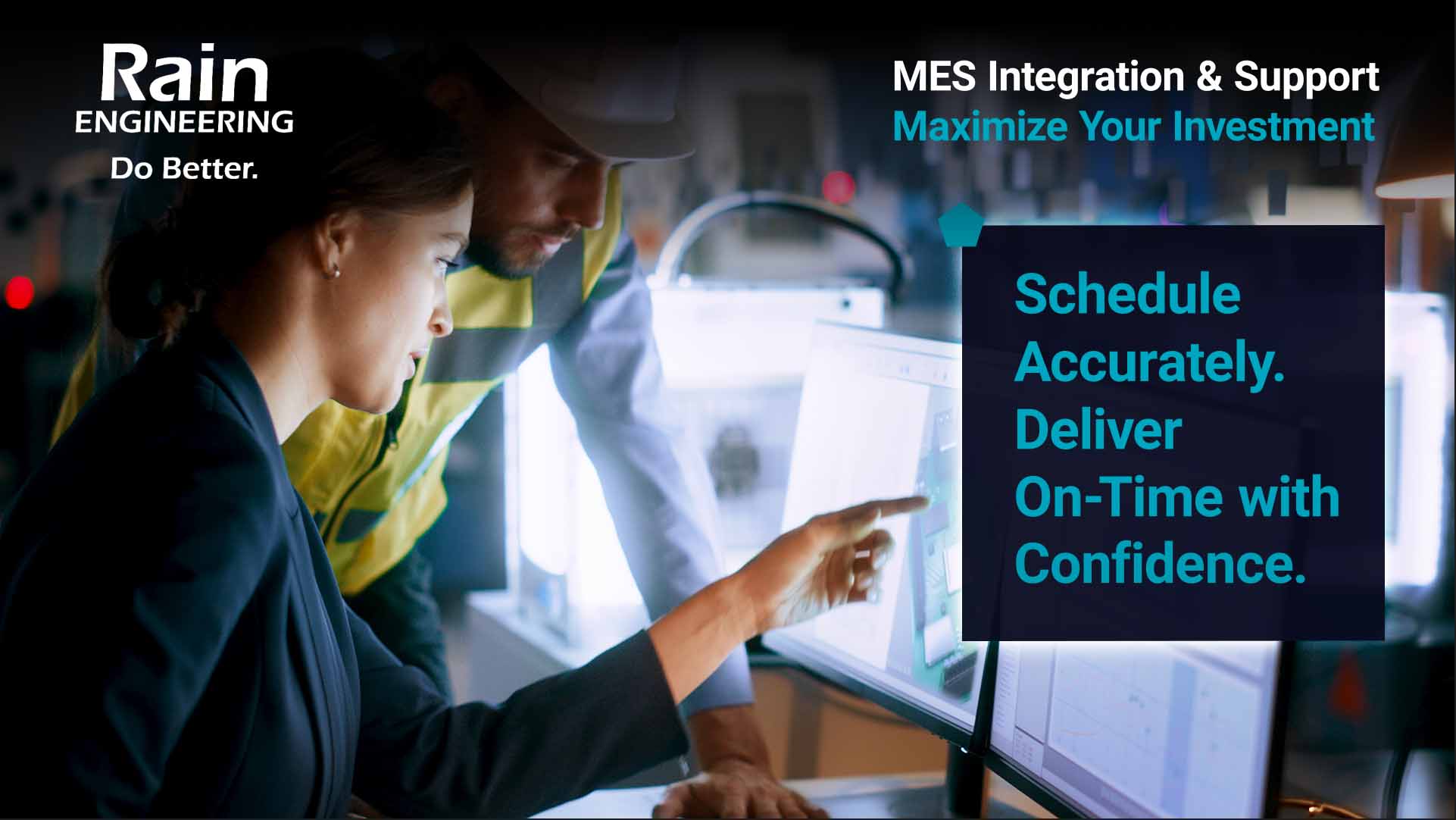
An 8-foot-tall, three-panel modular LED installation anchored the booth. The top section intentionally featured the Rain Engineering logo and a concise service descriptor, allowing visitors to immediately identify who the company was and what they did, even from across the exhibit hall.
Anyone walking up at any moment should understand the message within seconds. The sequence moved from brand identification to provocation to proof to measurable outcomes before resetting.
Short cycles. Clear hierarchy. Built to invite visitors in and start a conversation.
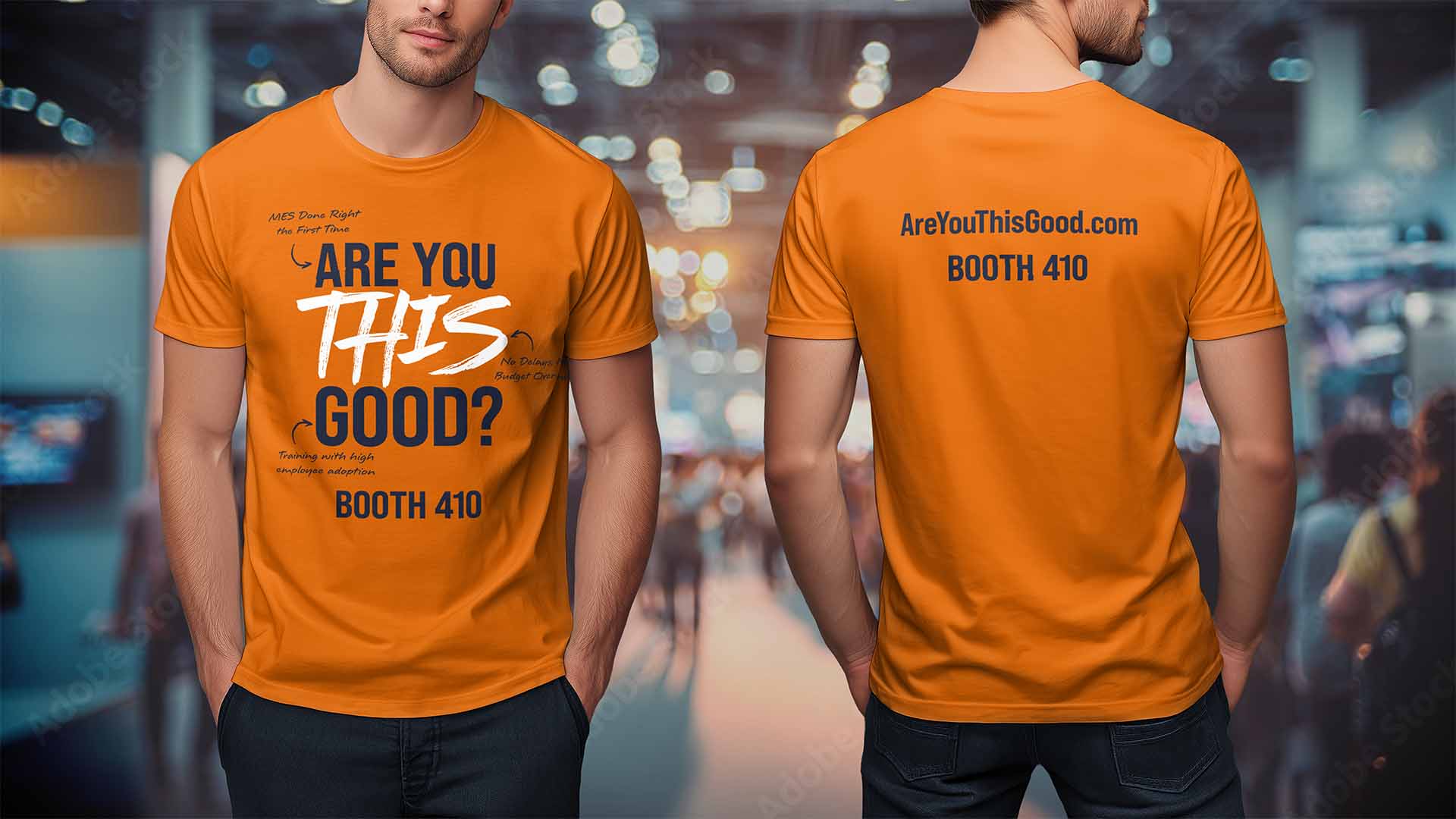
Team members wore the question, turning the campaign into behavior rather than decoration.
Giveaway shirts leaned into the brand tone — direct, confident, and slightly irreverent. The campaign became participatory. It invited response.
It wasn’t just a walking billboard. It was a conversation starter.
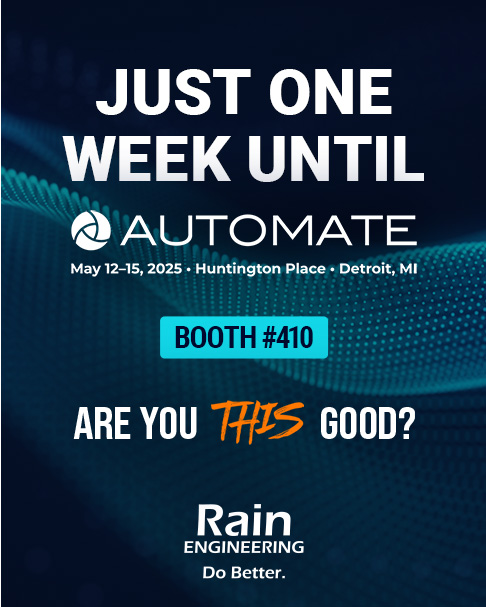
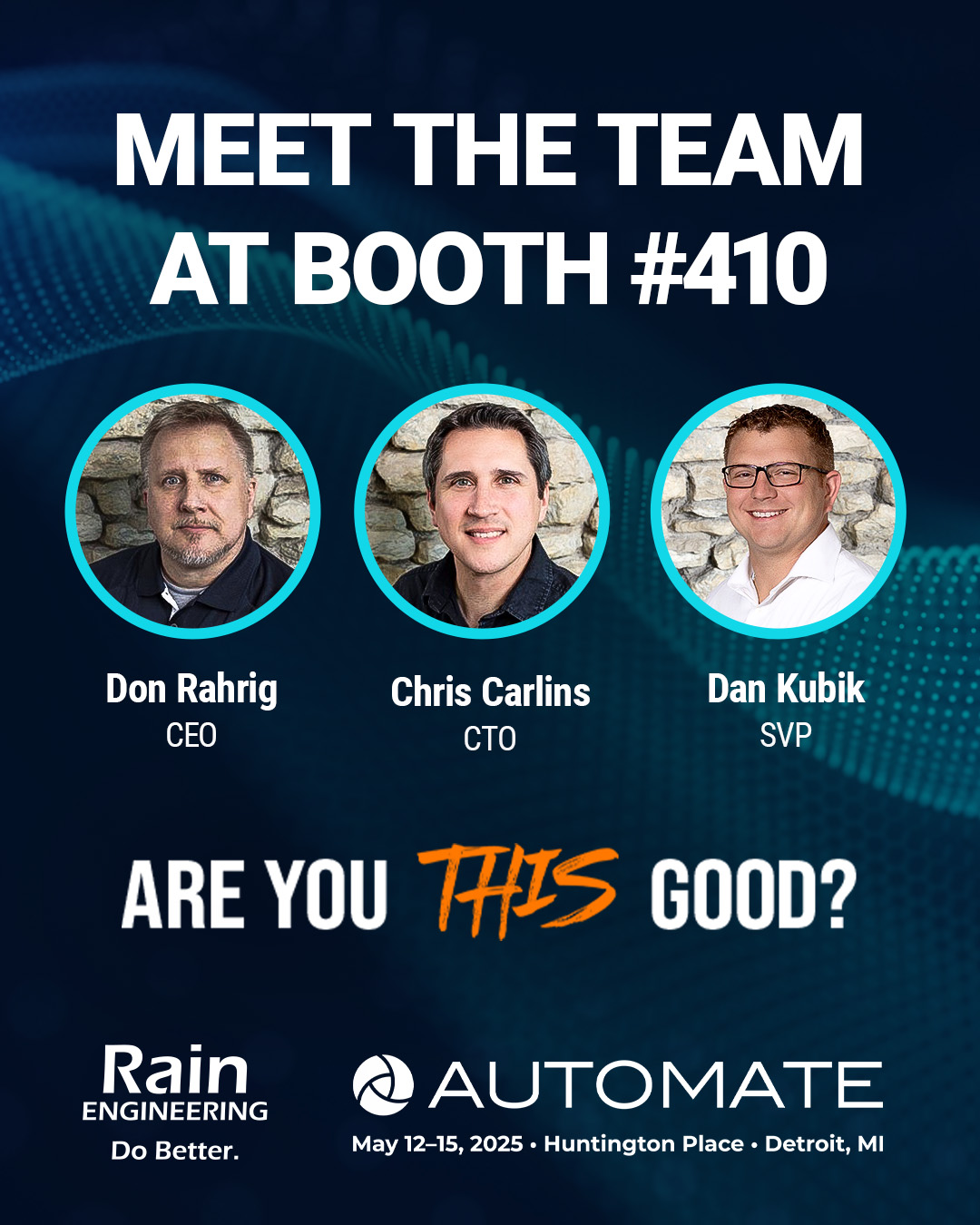
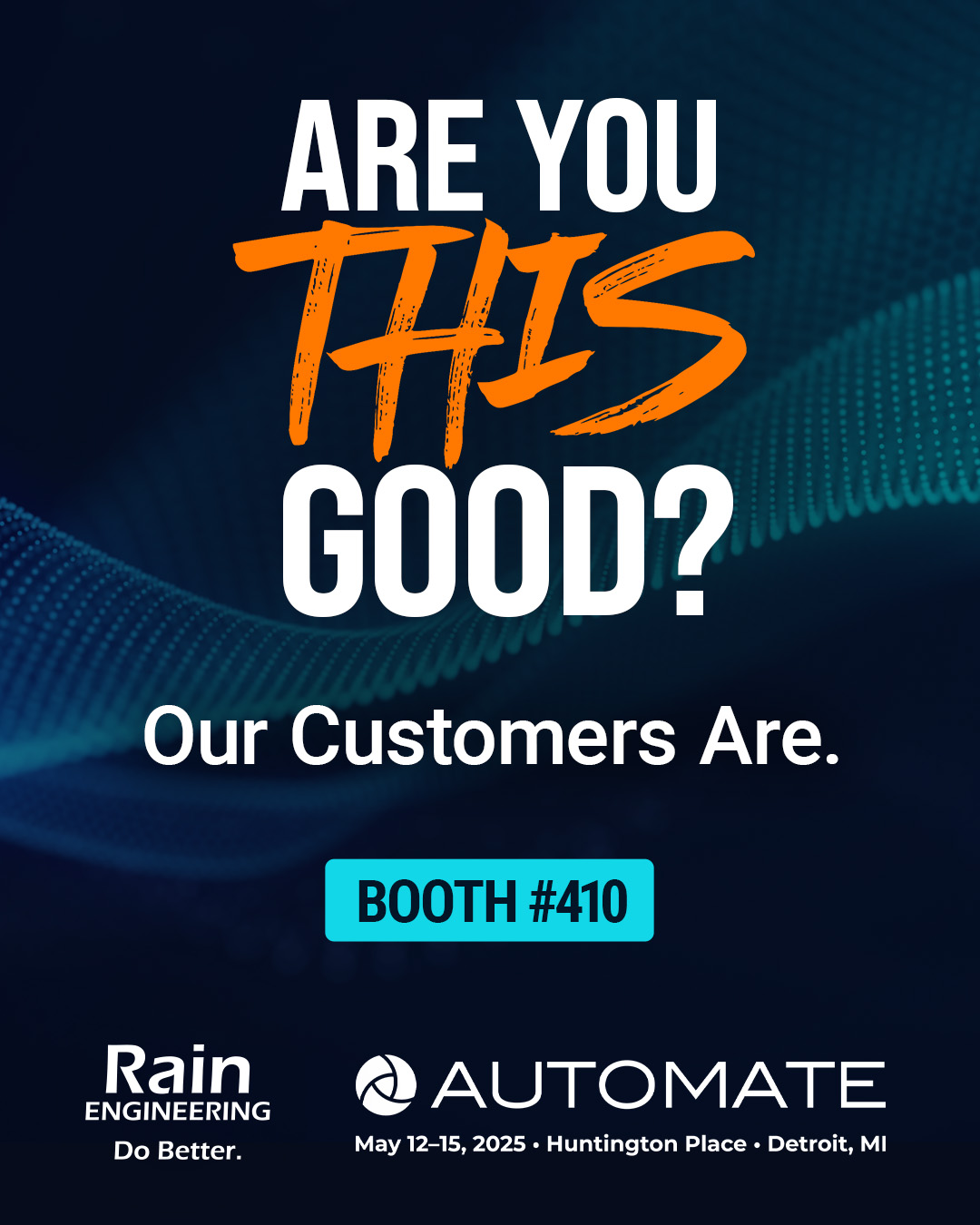
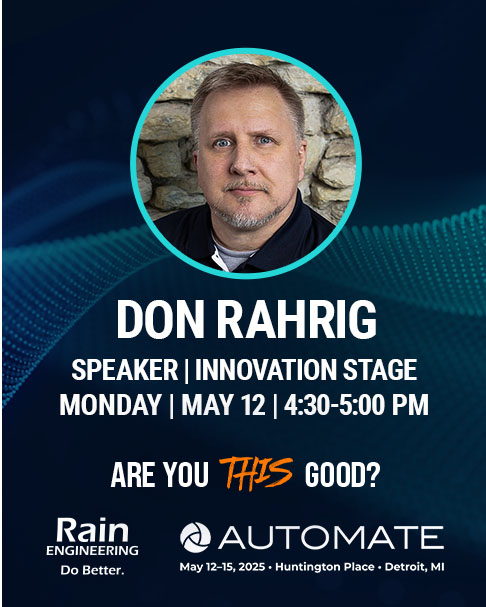
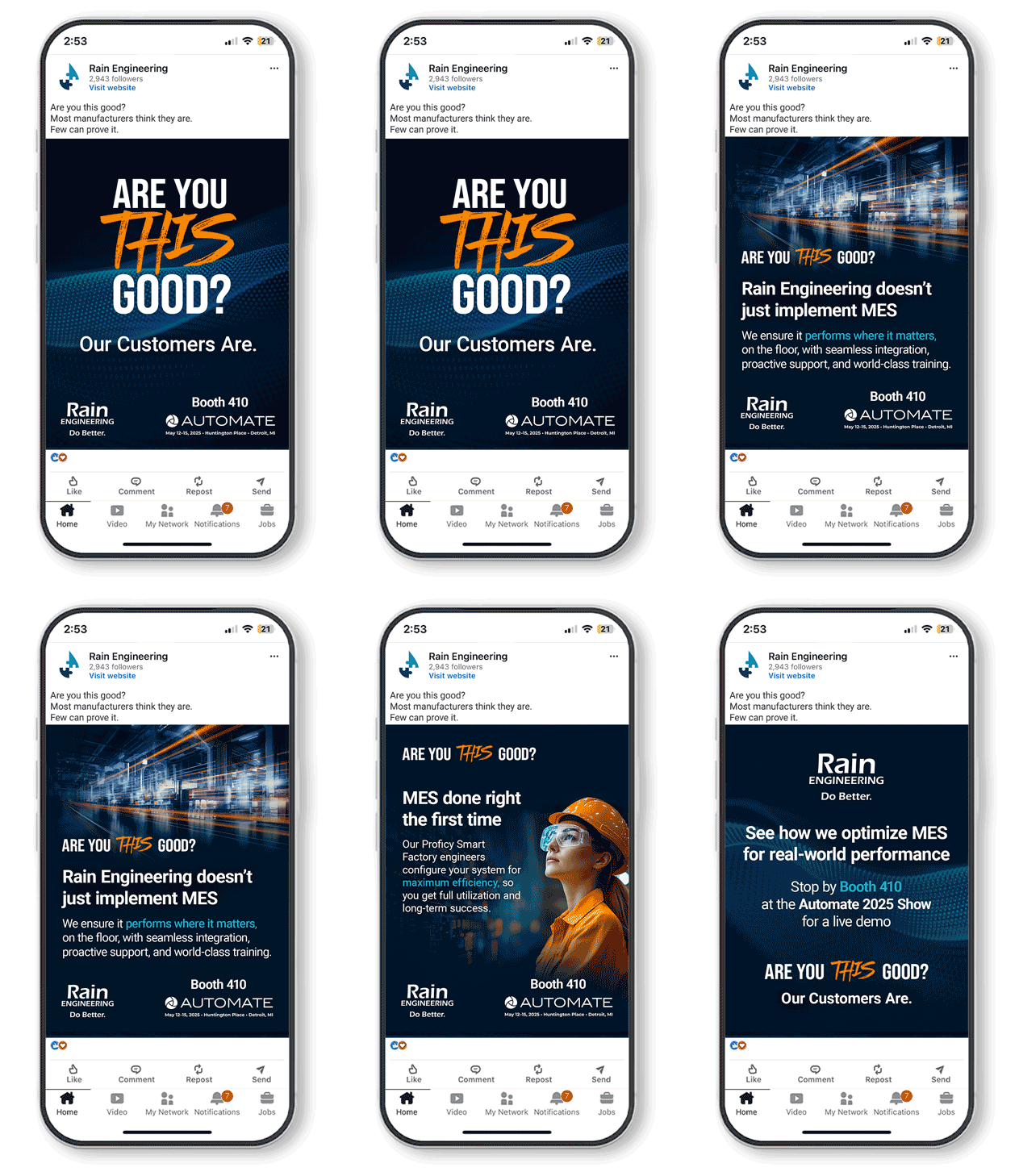
The campaign extended beyond the booth.
LinkedIn content supported awareness before and during the show.
Executive speaking engagements reinforced authority on the Innovation Stage.
The same language. The same visual system.
